
Loading...
Serving Salem, MA and surrounding areas. (978) 981-8982
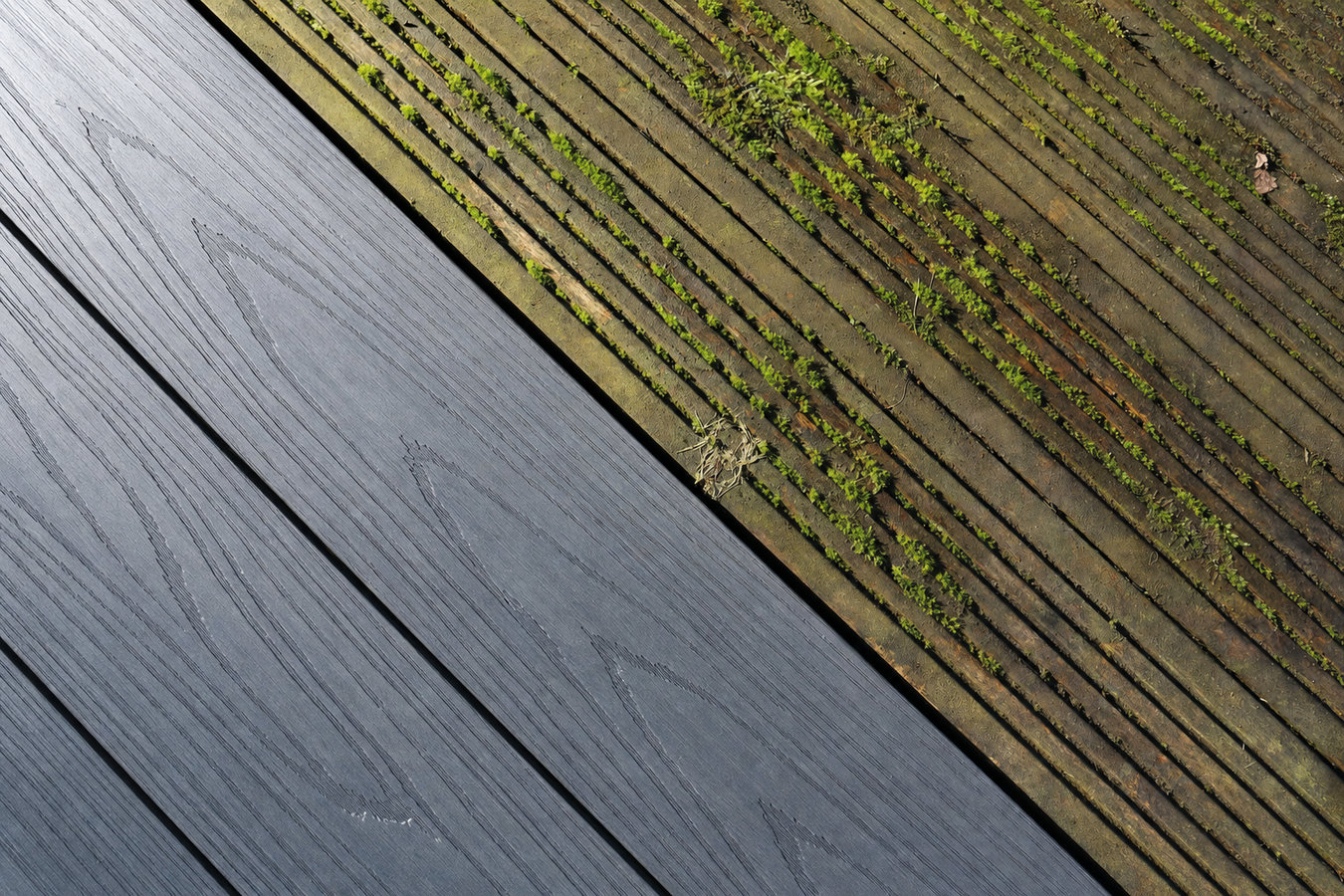
Soft boards, loose railings, and failing ledger connections are not cosmetic problems. We find out what is actually wrong and fix it - with permits, inspections, and no surprises on the final bill.
Deck repair and replacement in Salem covers everything from swapping out a few soft boards and tightening loose railings to tearing out a failing structure down to the ledger and building back from scratch - with most board-level repairs completed in one to three days and most full replacements completed in five to ten working days once the permit is in hand.
The distinction between repair and replacement is not something you can usually determine from the surface. The condition of the framing underneath - the posts, beams, and the board that connects the deck to your house - is what drives that decision. When a contractor pulls up old decking on a Salem home, it is not unusual to find problems that were invisible from the top. We inspect before we quote, and we show you what we find before we ask you to commit to anything.
If your deck is past saving and you are thinking about what to build next, our deck staining and sealing service covers how to protect a new or repaired surface once the structural work is done. For a look at natural wood options for your replacement, cedar wood deck construction is a popular choice in Salem's coastal neighborhoods.
If you notice any give underfoot - especially near the edges or around the posts - the wood has started to rot from the inside out. Rot often starts where water collects and does not drain, and in Salem's wet coastal climate that can happen faster than most homeowners expect. A soft board is a safety issue, and it usually means the damage has been building for a while.
Give your deck railing a firm push. If it moves more than slightly, the connection at the post base has likely weakened - from rot, rusted-through fasteners, or post movement in the ground. In Salem, where salt air accelerates metal corrosion, loose railings are one of the most common repair calls contractors get each spring. A railing that fails when someone leans on it is one of the most preventable deck injuries there is.
Orange or brown streaks running down from fasteners are a sign those fasteners are corroding. This is especially common on Salem decks within a few blocks of the harbor, where salt air is a constant presence. Corroding fasteners lose their grip over time, and once they fail, boards can lift or shift - both a trip hazard and a sign the deck needs attention soon.
If you bought a Salem home with an existing deck and do not know when it was built or whether it was permitted, that is reason enough to have a contractor take a look. Many decks added to Salem's older homes in the 1990s and early 2000s are now at or past the end of their useful life. A quick inspection can tell you whether you are dealing with a repair situation or a full replacement before something fails.
A repair job typically means replacing individual boards that are cracked or soft, fixing loose or missing railings, re-securing fasteners that have worked loose, and sometimes sistering new framing members alongside damaged ones to restore structural strength without tearing everything out. The goal is a deck that is safe and solid again without the cost of starting from scratch. If the issue is isolated to the surface and the frame is in good shape, repairs are usually the right call. For homeowners considering what material to use when replacing boards, deck staining and sealing is an important follow-up step after any new wood is installed.
A full replacement means removing everything down to the ledger board and building back up with new framing, new decking, and new railings. This is also when we inspect the ledger connection and the house framing behind it - because that connection is one of the most common failure points on older Salem homes. If you are replacing an aging wood deck and want to explore a low-maintenance option for the new surface, cedar wood deck construction is worth comparing against composite materials. Either way, the structural standards are the same.
Best for decks with solid framing but damaged surface boards, loose railings, or corroded fasteners that need attention before they become safety issues.
Best for decks where the posts, beams, or ledger connection have weakened but a full tear-down is not yet necessary.
Best for decks where the framing has deteriorated beyond repair or was built without permits to standards that no longer meet current safety requirements.
Salem's location on the harbor means decks here face two things most inland decks do not deal with to the same degree: salt air and a hard freeze-thaw cycle. The salt-laden air that rolls in off the water is corrosive to standard metal fasteners - nails and screws that would last 20 years inland can rust through in half the time if they are not rated for coastal exposure. The freeze-thaw cycle, which runs roughly from November through March, forces moisture in and out of wood fibers and shifts the ground around footings. Together, these two factors mean Salem decks typically deteriorate faster than the national average suggests - and a spring inspection after every winter is worthwhile if you want to catch problems before they become expensive.
Salem's older housing stock adds another dimension. A large share of the city's homes were built before 1950, and many of the decks on those homes were added later - sometimes without permits and sometimes with materials that have since degraded significantly. Homeowners in Lynn and Swampscott face similar conditions and housing stock. When we pull up old decking on a Salem home, finding a ledger board that was attached without proper flashing - or framing that was never rated for ground contact - is not unusual. This is why experienced local contractors build a contingency into their estimates and show you what they find before proceeding.
Reach out by phone or the contact form and we will get back to you within one business day. We will ask a few basic questions about your deck and schedule a time to come see it in person - no honest contractor can give you a real number without looking at the structure.
We walk the deck, check the framing underneath, test the railings, and inspect how the deck connects to your house. You get a written estimate that breaks down what needs to happen and why. If we find something unexpected, we show you what we found and explain how it changes the scope before asking you to commit.
For most replacement projects and structural repairs in Salem, we pull a building permit from the city before work begins. This step takes one to two weeks in most cases. Once the permit is in hand, you get a confirmed start date and we ask you to clear the deck of furniture and planters.
The old decking comes off first - if it is a full replacement, so does the framing. A city inspector checks the new structure before the surface goes on. Once the decking, stairs, and railings are installed and the final inspection is complete, we clean up the site and do a walkthrough with you.
We will come look at it, show you what we find, and give you a written estimate - no commitment required.
(978) 981-8982Salem's older homes regularly hide problems behind the surface - rotted ledger boards, framing that was never properly attached, fasteners that have been rusting for years. We look at the structure before we give you a number, and if we find something unexpected during demo, we show you what we found before we touch it.
Fasteners that work fine inland can rust through in a fraction of the time when they are exposed to Salem Harbor's salt air. We use hot-dipped galvanized or stainless steel hardware rated for coastal conditions on every deck we rebuild - because the right fasteners are the difference between a deck that lasts 20 years and one that starts corroding in five.
We pull every required permit before a board comes off and coordinate all required city inspections. When you go to sell your Salem home, the permit record will be clean - and you will have documentation confirming the structural work was inspected and approved by the city.
The North American Deck and Railing Association sets the industry benchmark for deck construction safety and quality. We build to those standards on every project - repair or replacement - because the structural requirements do not change based on project size.
The combination of a thorough framing assessment, coastal-rated materials, and a clean permit record is what separates a deck repair that holds up for years from one that masks a deeper problem. The North American Deck and Railing Association publishes deck safety standards that guide our work on every project, repair or replacement. For Massachusetts-specific permit and code requirements, the Massachusetts State Building Code is the governing document your contractor should be building to.
Protect your repaired or rebuilt deck surface from Salem's salt air and wet winters with the right finish applied correctly.
Learn MoreWhen replacement is the right call, cedar is a natural wood option that handles coastal conditions without chemical treatment.
Learn MoreSpring books fast in Salem - lock in your start date before the season fills up and your deck sits through another winter without getting fixed.